The
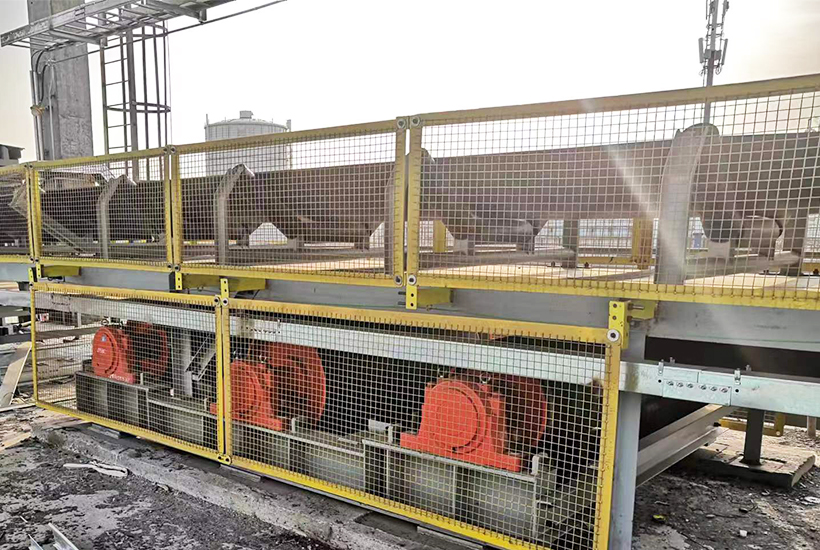
belt conveyor, as the "main artery" for material transportation, it is prone to hardening and cracking of the conveyor belt and a decrease in friction between the drum and the belt during winter due to low temperatures. Therefore, special attention should be paid to implementing anti-freezing, anti-slip, and anti-tearing protection measures.
Conveyor belt protection: Preferentially use cold-resistant conveyor belts to avoid the cracking of ordinary rubber at low temperatures; Daily inspect the conveyor belt joints and edges, and repair any cracks promptly; After stopping the machine, release the tensioning device to reduce the tension stress.
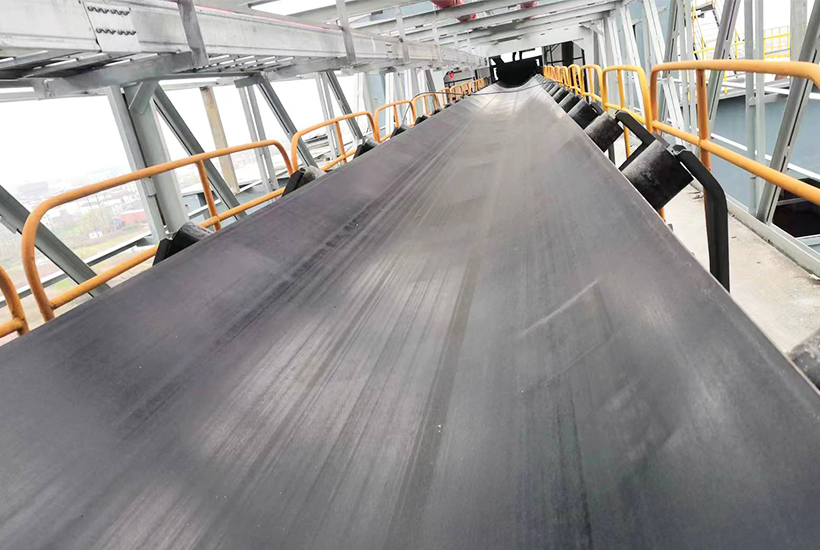
Drives and idlers: Replace the bearings of the rollers and idlers with low-temperature resistant lubricating grease. Regularly clear the snow and ice on the surface of the rollers. Add anti-slip rubber plates to increase friction and prevent the belt from slipping.
On-site environment control: Build a wind and snow shelter for outdoor
long distance belt conveyors, clear the snow and water in the passageways; Check if there is ice under the belt after rain or snow to avoid puncturing the conveyor belt.
Operation norms: Run the
rubber belt conveyor unloaded for 5 minutes before loading. Wait until the belt softens before loading; Control the moisture content of the materials to prevent them from freezing into blocks and scratching the belt, and avoid overloading the conveyor.
Further information, please click:
www.pkmachinery.com